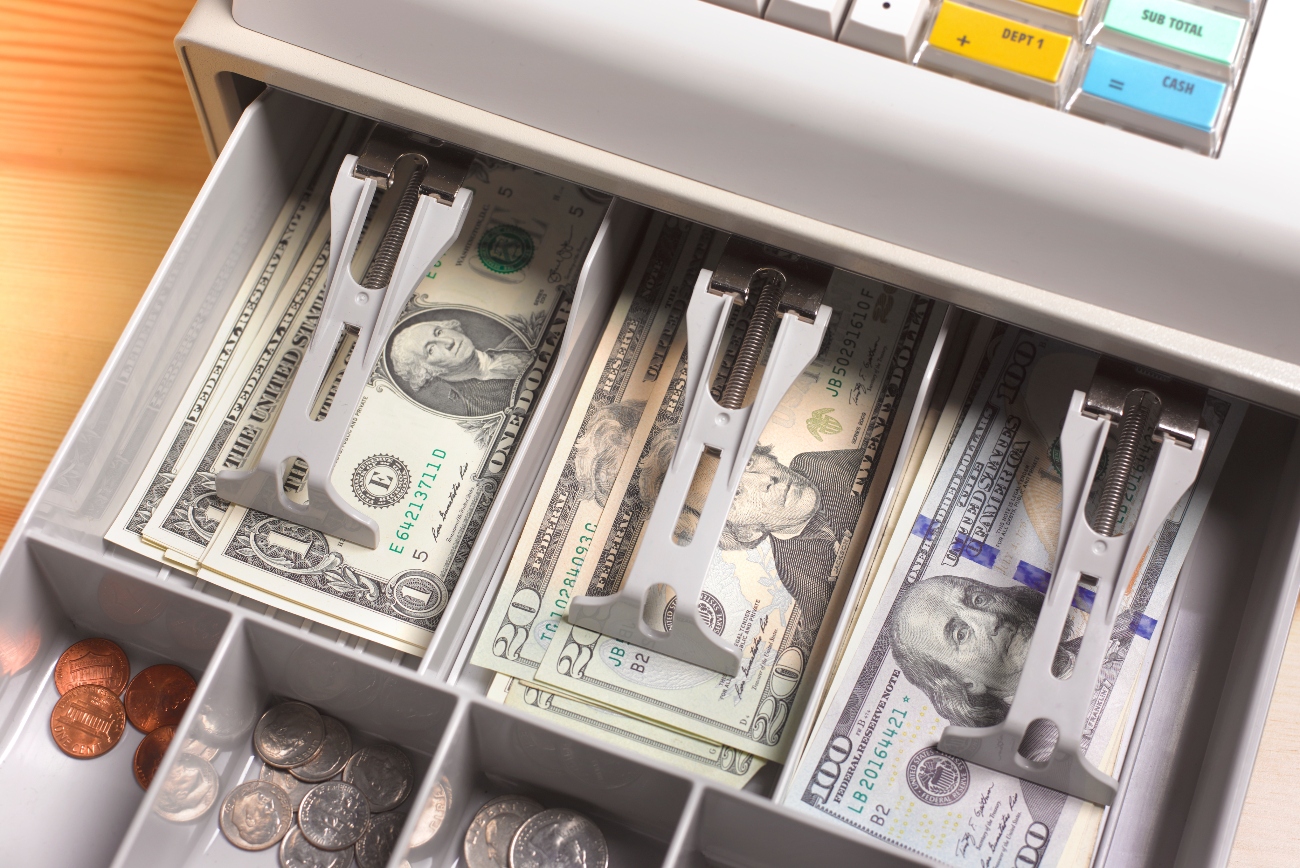
Have you noticed something missing from your change lately? Those lucky pennies we’ve been collecting for years are becoming harder to find—and it’s changing the way we shop. The U.S. mint stopped making the coins this past August after President Trump told the Treasury Department to cease production. The push was due to the inflated cost of making each coin: 3.69 cents.
Now that fewer pennies are in circulation, businesses and customers are feeling the effects—particularly when it’s time for checkout. Wondering how it could impact your shopping experience? Experts share everything to know about paying in pennies.
What it means for you when a store is low on change
Major chains like McDonald’s are already adjusting how they handle cash transactions due to the penny shortage. The fast food company recently told USA Today that some locations in parts of the U.S. have had to round all cash transactions up or down to the nearest 5 cents if a customer doesn’t have exact change.
If you should find yourself in this position at a retailer that is short on change, you may be wondering if you should choose to round up or down—or if it even matters at all.
If you’re provided with the option to round up to donate the money to charity (something that’s becoming increasingly common right now), it can be a nice way to give back and spread a little kindness.
“You just have to do it thoughtfully,” advises Clay Cary, senior trends analyst and financial expert at CouponFollow. “Doing it for every purchase will inevitably make a slight dent in your finances.”

Your smart shopping options during the penny shortage
Since both businesses and consumers are new to navigating an economy with fewer pennies in circulation, it’s best to expect some temporary adjustments as you shop. One of the best ways to avoid a headache next time you’re at the register is to consider alternative payment methods.
“In a situation where a business lacks adequate change, it’s better that you pay through digital means such as a debit or credit card or a mobile wallet,” says Cary. “This will eliminate problems related to coins entirely.”
But things can get tricky if you’re making a small purchase that would normally be best suited for cash. The reason: It’s common for retailers to have a minimum-purchase rule, such as $5 or $10, when paying with a card.
In that case, you’ll have a couple of options.
“You may want to increase your purchase to meet the minimum,” suggests Erica Sandberg, consumer finance expert at BadCredit.org. “Or ask the cashier to allow you to make the small purchase with your card because they don’t have the change to help you with the transaction. Setting a minimum card spend is policy, not a law. They can waive it.”
Businesses don’t want to lose customers, so it’s possible they’ll allow for more flexibility even when they’re short on physical change. If waving the card minimum gets you to spend money, chances are they won’t refuse!

How major retailers are handling the penny shortage

As part of the penny shortage, several companies have adopted new practices for its customers. For example, Sheetz (a chain of convenience stores) offered a few options for those who came to one of its Pennsylvania locations. It posted signs to “encourage customers to use cashless payment options, round up purchases to support charity or exchange $1 in spare pennies for a self-serve drink,” reports Reuters.
While choices like this are likely to remain temporary, experts do believe the shopping experience nationwide will undergo further changes due to the end of the penny.
One of the most notable changes is expected to be an adjustment to prices of the goods themselves.
“Consumers are likely to see more subtle pricing methods, such as a total ending in .95 or .90 versus .99,” shares Cary. “In the long run, you will see more businesses implementing a permanent round-up plan, generally to the nearest nickel.”
Others may also continue to encourage digital payments and even provide some incentives for doing so. You could come across discounts or extra points if you use a credit or debit card, he adds. That means an extra perk without the headache of paying in pennies.
But if you do still have plenty of pennies on hand, there’s no need to worry for your next shopping trip.
“They are still legal tender so you can use them even when the last coin leaves the mint,” assures Sandberg.
Whether you choose to put the change toward your next cash purchase or give the coins to charity, know they’ll still count for something!